Ways to work together
Clear questions.
Useful deliverables.
Start with a focused assignment or engage us across a project phase. Scope, information needs, responsibilities, and fees are agreed before work begins.
01 / Opportunity assessment
Decide what is worth exploring.
Review the property, visitor opportunity, owner priorities, available information, and key constraints. Compare improvements to existing facilities with new amenities or a phased approach.
Typical output: Options brief, preliminary commercial considerations, information gaps, and recommended next steps.
02 / Lodging & supplier selection
Make the site distinct—and practical.
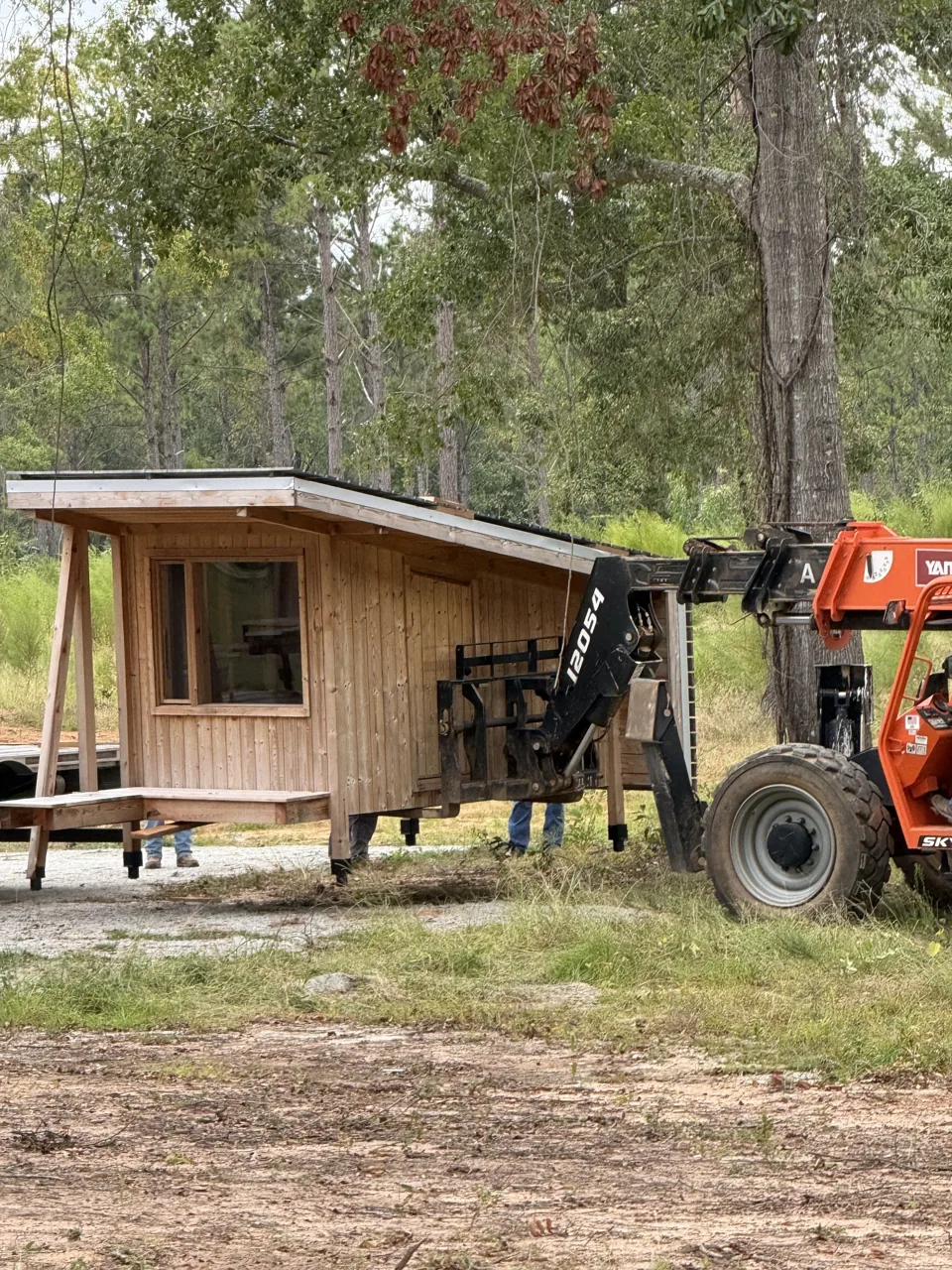
Compare cabins, tents, and accommodation concepts against guest appeal, stated supplier capabilities, delivery history, maintenance needs, and total ownership costs. Technical suitability remains with licensed professionals.
Typical output: Lodging comparison, supplier questions, commercial purchasing risks, and recommended selection criteria.
03 / Commercial feasibility
Test the operating assumptions.
Assess demand, seasonality, revenue and cost scenarios, phasing, and potential funding sources. Coordinate specialist technical input and third-party assessment of commercial assumptions where agreed.
Typical output: Commercial scenarios, documented assumptions, sensitivity comparisons, and a decision brief. No assurance or funding guarantee.
04 / Procurement & implementation
Organize a workable path forward.
Support market-sounding, RFI/RFQ/RFP planning, administrative proposal coordination, owner milestones, and readiness for operations. Owners and counsel determine legal authority, procurement requirements, and contract terms.
Typical output: Commercial input, responsibility matrix, decision schedule, and phased implementation roadmap.
RW HAN is a boutique advisory and consulting firm, not an engineering, architectural, accounting, or law firm. Regulated financing advice and technical services remain with appropriately authorized providers. Read our service scope and conflict disclosures.
Energy and infrastructure experience supports the whole project.
Our founder’s background in performance contracting, capital programs, and facilities helps connect recreation and lodging plans with utility needs, operating costs, and delivery responsibilities. We coordinate specialist input; we do not provide engineering design or energy-savings verification.
One shared direction. Fewer repeated starts.
A common project brief, clear responsibilities, and an agreed decision sequence can reduce repeated discovery, overlapping advisory work, and avoidable rework—helping clients use time and consulting budgets more efficiently.